01More than 2,000 years old · Second Temple period
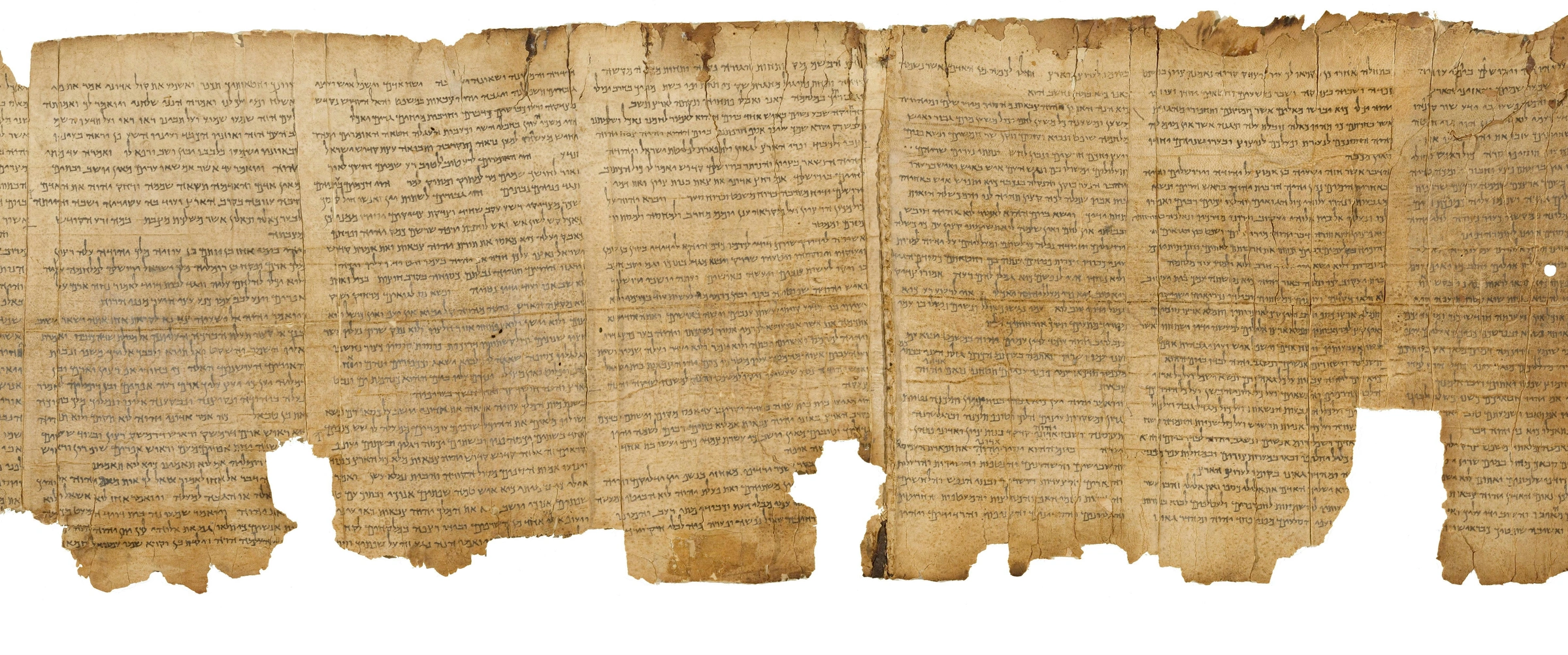
1QIsaᵃGreat Isaiah ScrollIsrael Museum · Shrine of the Book
Open manuscript →MANUSKRPT MANUSCRIPT ROOM
Explore real Bible manuscripts, scrolls, fragments, and old printed books. Open each one to see what it contains, where it came from, why it is interesting, and how much of it we can study today.
CHOOSE YOUR PATH
Start with time, place, language, or the full collection. Every path leads back to real manuscript objects and their evidence.
Move from ancient scrolls into later codices and printed editions.
02Around the worldSee where the manuscripts in this collection are kept today.
Follow Hebrew, Syriac, Greek, and the other languages represented in the room.
Open the full visual collection and use search and filters.
THROUGH TIME
The order follows the best date range currently recorded for each object. Broad or uncertain dates stay broad instead of being forced into fake precision.
AROUND THE WORLD
These objects are not sitting in one vault. They are spread across museums, monasteries, and libraries in several countries. Select a point to open that location and see what it holds. Where each object originally came from is a different story, and its manuscript page tells that separately.
MANUSKRPT objects kept here today.
MANUSKRPT objects kept here today.
MANUSKRPT objects kept here today.
MANUSKRPT objects kept here today.
MANUSKRPT objects kept here today.
MANUSKRPT objects kept here today.
MANUSKRPT objects kept here today.
The TBS 1913 Peshitta printed edition is not pinned because MANUSKRPT has a digital scan but has not yet confirmed the physical location of the exact copy that was scanned.
COLLECTION
Some manuscripts have images even when we do not yet have all of their text written out or linked to Bible passages. We show clearly what we know about each one.
Showing 3 / 20
It is one of the oldest surviving Syriac copies of the Gospels. It shows how Christians were reading the Gospel text in Syriac very early.
You can see how the Syriac Old Testament was printed and read more than a century ago. MANUSKRPT keeps these page images for history, while our live Syriac text comes from a separate digital source.
You can see three layers together: Hebrew Matthew, a Latin translation, and commentary. That makes it especially interesting for seeing how scholars worked with the Gospel text.